What is intoxicating hemp? Gov. Mike DeWine bans THC drinks, products

What is delta 8? What to know about ‘diet weed’ and it’s safety.
Delta-8 THC products are exploding in popularity across the country. Here’s why they are available in states where marijuana is illegal.
Ohio Gov. Mike DeWine signed several executive orders Oct. 8 to restrict sales of “intoxicating hemp,” including THC-infused beverages sold in stores, restaurants, brewery taprooms and gas stations.
Retailers have until Oct. 14 to remove intoxicating hemp products from their shelves under one of the orders.
State lawmakers have discussed ways to regulate drinks, edibles and other products containing THC derived from hemp but have yet to pass a law. Meanwhile, marijuana dispensaries can still sell drinks with THC from regulated marijuana plants.
Confused? Here’s what you need to know about these drinks and why DeWine wants to restrict them.
What’s in THC beverages?
THC refers to delta-9-tetrahydrocannabinol, the primary intoxicating compound in cannabis. Beverages sold outside state-licensed marijuana dispensaries contain THC derived from hemp, which is cannabis with no more than 0.3% delta-9 THC.
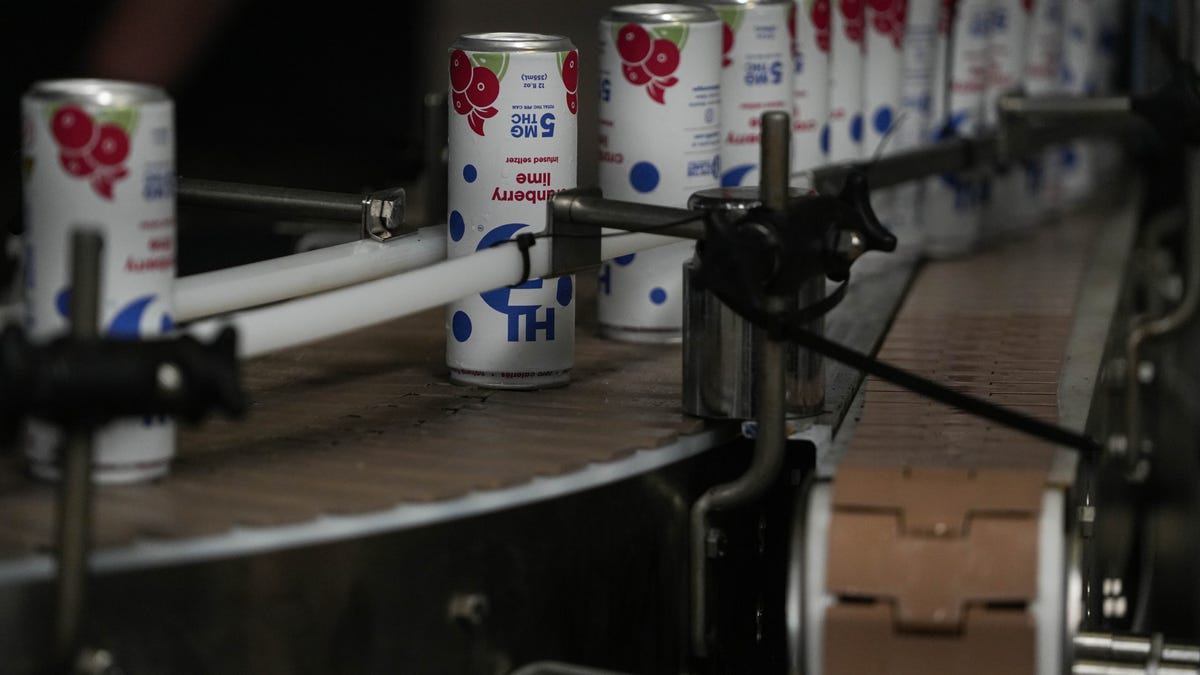
A standard hemp-infused drink contains 5 or 10 milligrams of THC. Lawmakers have introduced proposals to regulate hemp-derived THC products that include limiting the amount of THC in products.
How are THC beverages legal in Ohio?
The 2018 Farm Bill legalized hemp nationwide and a 2019 Ohio law legalized cultivation here. The law opened the door for industrial hemp and nonintoxicating CBD, but it also created a legal loophole that allows CBD stores, breweries and gas stations to sell hemp-derived cannabis and other gray market products.
One of the more prolific examples is delta-8 THC − sometimes known as “diet weed” − which is typically synthesized from CBD. Businesses also found ways to get around the potency limits for hemp, and some sell THCA flower that becomes delta-9 when smoked or vaped.
Why can’t these THC beverages be sold in dispensaries?
Dispensaries can only carry products grown, produced and tested in Ohio by state-licensed businesses. Under the law approved by voters in 2023, only existing medical marijuana businesses could receive cultivation or processing licenses for recreational sales for the first two years.
There are 46 businesses with processing licenses, according to the Ohio Division of Cannabis Control, and they can only sell products in licensed dispensaries. Regulated marijuana is tested for potency as well as contaminants.
Why does Gov. Mike DeWine want to ban THC products?
DeWine sounded the alarm about delta-8 last year and urged lawmakers to put guardrails in place so children can’t walk into convenience stores and buy gummies. He said Congress and state lawmakers never intended for sales of intoxicating hemp and noted that hemp-derived THC products aren’t tested.
“It’s a huge problem,” DeWine told reporters Sept. 29, the Ohio Capital Journal reported. “There’s really no regulation at all. We need regulation. We need the Legislature to take action on this. We’re also looking, frankly, at some things that I might be able to do without legislative action.”
Why are THC-infused drinks rising in popularity?
The continued rise in alcohol prices, younger people’s desire for a healthier lifestyle and the increased number of ways THC can be enjoyed compared to alcohol are a few of the reasons why THC-infused drinks are becoming more popular.
A 2024 survey conducted by loan marketplace LendingTree found that 64% of alcohol drinkers expressed a desire to cut back because of their physical health, while 41% cited their finances.
Additionally, young people are turning away from alcohol more frequently. The LendingTree survey found that 53% of Gen Zers who consume alcohol had plans to cut back or quit drinking entirely in 2024.Most THC-infused drinks feature little to zero calories, which is growing more important to consumers, Scott Selix, co-founder of THC-infused beverage brand Climbing Kites, told USA TODAY. Meanwhile, it can be hard to find a tasty alcoholic beverage with low calories.
There are also more acceptable times to consume a THC-infused beverage, in contrast to alcohol, including for sleep, focus, relaxation and of course, socializing, Selix added.
How are alcohol and THC drinks different?
From the start, alcohol and THC-infused drinks are different, as alcohol’s effects can start somewhere between 15-45 minutes and THC consumed as a beverage can take between 30 minutes to two hours, online publication EatingWell reports.
As far as the long-term effects, frequent and heavy alcohol consumption can lead to serious health conditions like liver disease, heart problems, increased cancer risk and damage to the nervous system. Marijuana, specifically edibles, can lead to more mental health issues, like psychosis, anxiety and memory loss. Widely, there is just less research on how marijuana affects the body than alcohol.
But perhaps the most notable difference is how consumers feel the next day.
“I still want the escapism, but when I drink … I feel sluggish the next day,” Selix said. “And these (THC-infused drinks) … don’t make me, personally, feel as sluggish or as tired.”
USA TODAY reporter Greta Cross and Statehouse bureau reporters Haley BeMiller, Laura A. Bischoff and Jessie Balmert contributed.
link