The Future Of Work: Adapting Leadership Styles To Evolving Workspaces
AS the world of work continues to transform at an unprecedented speed, the way we lead our teams necessitates a profound shift. The future of work is marked by hybrid models that blend remote and in-person interactions – an evolution accelerated by technological advancements and the global pandemic. Navigating this new landscape demands leaders who exhibit flexibility, empathy, and a commitment to fostering engagement, regardless of where their teams are located.
Understanding the Hybrid Work Environment
The hybrid work model allows employees to divide time between remote and in-office work, offering flexibility, better work-life balance, and access to global talent. However, it also challenges leaders to maintain cohesion, trust and productivity by finding innovative ways to engage teams with limited in-person interaction.
Embracing Hybrid Work Models
Hybrid work – where employees split time between the office and remote settings – has become the new norm. McKinsey reports that 58 per cent of workers can work remotely at least part-time. To succeed, leaders must skilfully manage distributed teams with flexibility, empathy and collaboration, ensuring connection and productivity across diverse locations and work styles.
Case in Point
Microsoft exemplifies successful adaptation to hybrid work through its ‘Hybrid Workplace’ framework, which promotes flexibility, collaboration and well-being. Recognising evolving productivity, Microsoft leverages tools like Teams and cloud platforms to enhance remote collaboration. Its inclusive leadership fosters a supportive culture, empowering employees to thrive regardless of location.
The Role of Leadership in a Hybrid Workforce
Effective leadership in the evolving landscape requires leaders to embrace a variety of styles and to adapt based on the team dynamics, goals, and circumstances. Here are several key leadership styles that can be particularly effective in managing hybrid teams:
1. Transformational Leadership
Transformational leaders motivate teams through vision, inspiration and positive reinforcement – crucial in hybrid settings where isolation can occur. By fostering purpose and connection, they unite teams around shared goals. Adobe exemplifies this style, promoting creativity and innovation through regular check-ins and feedback, ensuring remote employees feel valued, engaged and aligned with the company’s vision.
2. Servant Leadership
Servant leadership centres around the belief that leaders exist primarily to serve others. In hybrid teams, this approach is particularly effective as it emphasises empathy, active listening and the importance of developing team members. This leadership style fosters a supportive environment where employees feel empowered to contribute and share their insights and service. Example: Starbucks.
Starbucks exemplifies servant leadership through its commitment to employee welfare. Amid the shift to hybrid work, the company introduced policies focused on mental health support and flexible work arrangements. Leaders who prioritise the needs and well-being of their employees create a sense of loyalty and drive engagement, leading to higher productivity.
3. Adaptive Leadership
The ability to adapt to changing circumstances is paramount for leaders in a hybrid work environment. Adaptive leadership involves being responsive to the multiple challenges that arise, from fluctuating employee needs to shifting market requirements. It encourages leaders to be innovative problem solvers who can pivot strategies as necessary. Example: IBM
IBM is recognised for its innovative and adaptive leadership approach. As it navigated the transition to hybrid work, IBM focused on leveraging data-driven insights to guide its decisions. Its ability to adapt quickly to employee feedback and shifting demands enabled it to maintain engagement and morale during challenging times.
Building Engagement in a Hybrid Work Environment
Maintaining employee engagement in a hybrid workforce necessitates intentional strategies. Leaders must cultivate an inclusive and participatory culture that transcends physical boundaries. Here are points to consider to make this happen:
1. Foster Open Communication.
Transparent and frequent communication is critical in hybrid teams. Leaders should establish regular check-ins and utilise various communication platforms to ensure that every team member feels connected and informed. Encouraging open dialogue enables employees to voice concerns, share ideas and seek feedback, fostering a collaborative environment.
2. Establish Clear Goals and Expectations.
Setting clear objectives and expectations is fundamental for hybrid teams. Leaders should ensure that all team members understand their roles and how their contributions align with broader organisational goals. Employing a results-oriented approach, where success is measured by outcomes rather than time spent at a desk, can boost motivation and performance.
3. Leverage Technology.
Technology plays a pivotal role in facilitating collaboration among hybrid teams. Leaders must leverage the right tools – be it project management software, communication apps, or virtual collaboration platforms – to enhance teamwork and streamline processes.
4. Encourage Social Connections.
Building social connections is vital for employee engagement. Organisations need to create opportunities for casual interactions, such as virtual coffee breaks or team-building activities. These informal settings can help bridge the gap created by physical distance, fostering camaraderie and trust.
A Unified Vision for the Future of Work
The future of work is about more than adapting to technology; it’s about reimagining how we connect, engage and empower one another in complex, evolving environments. Embracing hybrid work, fostering engagement, rethinking leadership, committing to lifelong learning, and prioritising well-being are essential to thriving in this new era.
Leaders must remain flexible, empathetic and innovative, drawing on transformational, servant and adaptive leadership styles to effectively manage hybrid teams. Companies like Microsoft, Adobe, Starbucks and IBM exemplify this approach by emphasising trust, inclusivity and innovation.
In a hybrid world, leadership means cultivating clear communication, collaboration and belonging across distances. By nurturing a culture that values flexibility and connection, leaders can build resilient, motivated teams ready to meet the challenges of the modern workplace.
Ultimately, the way we lead will define the success of individuals and organisations in the future of work.
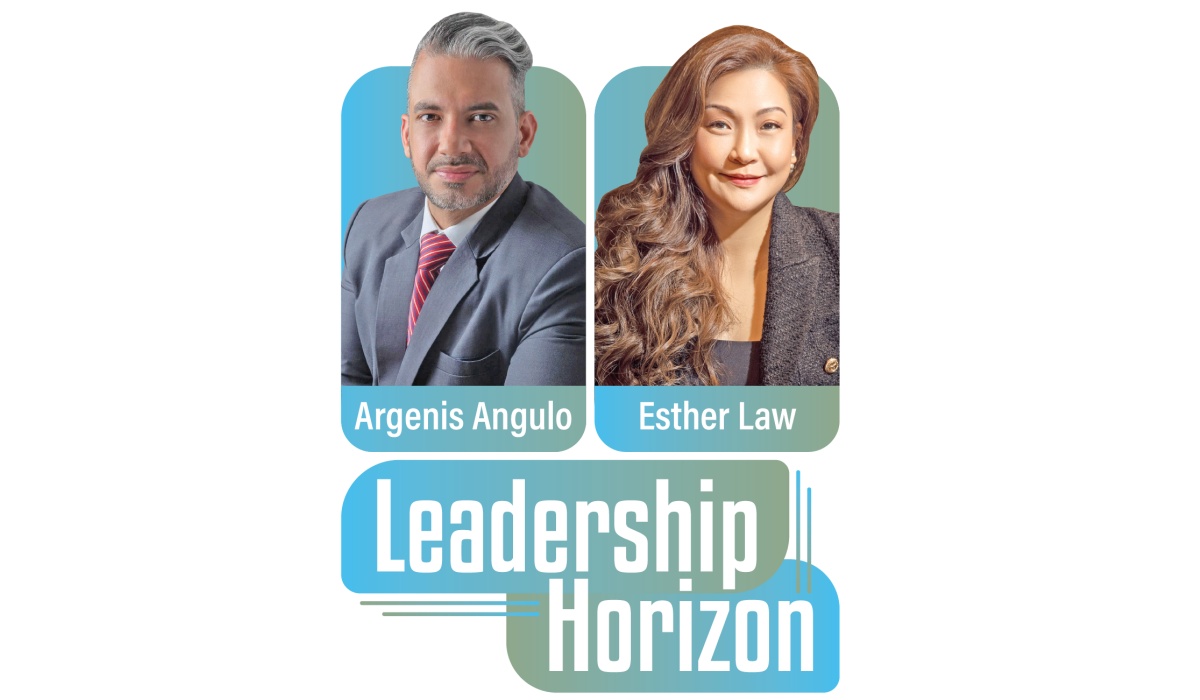
The views expressed here are those of the writers and do not necessarily represent the views of Sarawak Tribune. The writers can be reached at argenisangulo@gmail.com and lawleepoh@gmail.com.
link