5 Ways To Convert High-Ticket Sales By Playing Hard To Get

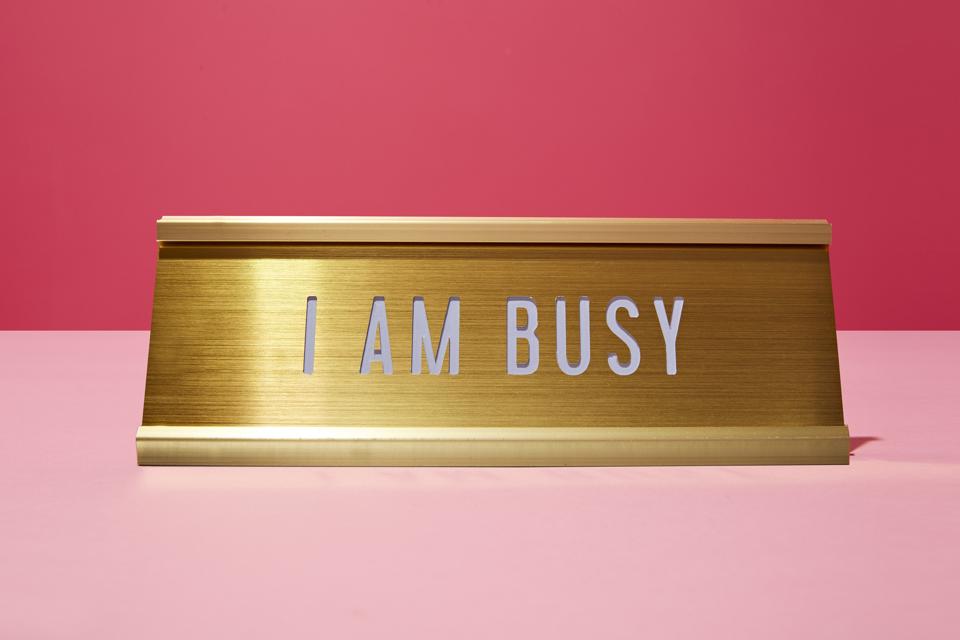
5 ways to convert high-ticket sales by playing hard to get
getty
No one likes chasing clients, but most people think it’s the only way. Following up, writing proposals, anxiously refreshing your email or waiting by the phone. We’ve all done it. But there’s another way to do business. Flip the energy. Play a power game. And have fun.
Andrew Yeung is an entrepreneur, investor, startup advisor, and events host based in New York. After living in China for 20 years, he moved to America to work for Facebook, then Google, before leaving to throw tech parties and invest in startups. Over 50,000 CEOs, investors, and tech professionals across 8 cities have attended his events, sponsored by institutions like JP Morgan and Fidelity. “I’m the luckiest guy on the planet, and I never imagined this could be a real job,” he says.
Yeung’s approach to building a business goes against the traditional rules. He does the opposite of what the sales books will tell you. Where others chase, he retreats. Where others beg, he suggests clients fire him. The result? They chase him harder. They beg to give him their cash.
If your product or service isn’t high quality, playing hard to get won’t work. But when you have something valuable, everything changes. Here’s how to play Yeung’s game.
5 ways to play hard to get and convert high-ticket sales
Signal it won’t be around forever
Stop the desperate dance of traditional sales. Your energy matters more than your pitch deck. When you chase, you lose. When you attract, you win. The most successful founders know that scarcity creates desire, and desire drives high-ticket sales. But every high-ticket sale needs urgency. Not fake deadlines or manufactured pressure. Real scarcity that makes sense.
Research shows that limited-time or limited-quantity launches create a rapid spike in demand in the first few weeks. Scarcity cues have been found to positively affect purchase intention and willingness to pay.
Maybe you only work with five clients at a time. Maybe your calendar fills months in advance. Maybe you genuinely turn people away who aren’t a perfect fit. Create boundaries that serve you. When Yeung tells sponsors at his events, “wouldn’t it be funny if you guys fired me?” he’s showing he doesn’t need them. That confidence becomes magnetic. His sponsors hear this and sign contracts worth tens of thousands of dollars because they fear losing access. Set limits on your availability and stick to them. Make your offer feel exclusive because it actually is.
Make them wait for your response
Quick replies signal desperation. So take your time. Let inquiries sit for a day or two. When you do respond, keep it brief and valuable. Demonstrate that your time is not free. Your delayed response shows you’re busy delivering results, not sitting by your inbox hoping for leads.
The average lead response time is around 47 hours. But you’re not average. When you take longer to reply, they’ll want you more. They check their inbox looking for your name. The power shifts in your favour.
Yeung takes this to extremes: “I’m terrible at customer service. I went on vacation for 2 weeks, and didn’t tell them.” Yet his sponsors still renew their annual contracts. You don’t need to copy his exact approach, but the principle holds. Build systems that allow you to step away without everything falling apart. Create processes that run without you. Train your team to handle inquiries. Your absence should increase demand, not kill it. When prospects can’t reach you immediately, they want you more.
Show you’re clearly in demand
Visible proof is better than any sales pitch you could deliver. Share client wins publicly. Casually mention your packed calendar and overflowing DMs in your posts. Let prospects see others succeeding with your help. People witness demand for your services, and they want in. Social proof compounds. Each success story attracts three more clients. Each testimonial builds trust.
In B2B settings, over 92% of buyers said they were more likely to purchase after reading a trusted review. Social proof is one of Robert Cialdini’s top 7 influence factors. Don’t ignore it.
Yeung runs 100 events a year with 20,000 attendees and people know they are good. When sponsors see their competitors at his events, they worry about missing out. Display your client roster, your results, your waitlist. Make success stories visible everywhere prospects look. Create case studies that showcase transformation. Share revenue numbers if they’re impressive. Let social proof do your selling. The best marketing happens when you’re too busy serving clients to do any marketing.
Focus completely on existing customers
Nothing attracts new business like treating current clients exceptionally well. Pour your energy into delivering outstanding results for people who already chose you. Their success becomes your best advertisement. Running my (now exited) agency for ten years, I learned that when we focused on current clients we attracted the most new ones. People talk. Success spreads.
For Yeung, it’s the visitors to his hosted events and mixers, not his sponsors. He focuses on delivering awesome events that people love to attend. He sets the scene, makes introductions, and makes ROI easy for everyone there. Sponsors don’t need convincing.
Stop chasing new leads when you have clients to serve. Obsessing over new business while neglecting current clients broadcasts desperation. Prospects run from neediness. Make existing clients your priority and watch new opportunities pursue you harder. Create systems that delight current customers. Build processes (or parties) that exceed expectations. Let your work speak so loudly that marketing becomes unnecessary.
Embrace strategic rejection
Turn down opportunities that don’t align perfectly. Say no to discounts. Reject clients who don’t respect your boundaries. Each rejection strengthens your position and attracts better opportunities. Turn down contracts with people who want to negotiate your proven process. Those same weeks, better clients will appear, and pay full price without questions.
Decisions framed as rejections lead to stickier commitment from the remaining parties than decisions framed as choices. When you say no (or make someone earn you), the people left in the game value you more.
Yeung actively tries to kill his business. He told me, “I’ve been trying to kill it, it won’t work.” At events, sponsors ask about his vision. His response? “I don’t know.” He suggests there might not be a future. They panic and renew. When you’re willing to walk away, people chase harder. Make rejection part of your sales strategy. Set standards and keep them high. Turn down bad fits publicly. Let people see you have options. The clients you reject today become tomorrow’s referral sources. They respect what they can’t have.
Convert high-ticket sales by reversing the energy
Master the art of attraction over pursuit to make more sales without even trying. High-ticket buyers want to work with people who don’t need them. They trust confidence over desperation. They value what’s scarce over what’s readily available. Build a business that naturally creates these conditions. Focus on excellence for current clients. Let your calendar fill naturally. Make people earn access to your time.
Stop selling and start selecting who deserves your expertise. Play hard to get because you have better things to do than chase clients.
link